

U INTER : ค้นหาหนังสือธรรมะ หน้า 26 / 48
หน้าหนังสือทั้งหมด
191
Dancing with Angels: A Journey of Feelings
Wisdom
without words but with feelings. This was a
strange but absolutely unforgettable experience. I
stayed as long as I could in this place but I had to
go back because I was not sure if I had died.
This text shares a unique and transformative experience of feeling at home in a mystical place, reflecting on the profound impact of meditation and the emotions tied to a significant event titled 'The
198
Journey to Joy: Transformative Meditation Experiences
Journey to Joy
198
experience years ago. There were many spirits
or beings present all around me and my form
became clear as crystal. The crystal at the centre
of my form became radiant white and glow
This text recounts a profound meditation experience where the author felt a connection with spiritual beings and transformed their life. They describe becoming one with a radiant crystal form and the
199
The Journey of Wisdom and Meditation
Wisdom
now I deal with those problems and keep stress
to a minimum level. I have true good friends, a
beautiful wife and a wonderful son. My life has
become complete and I am contented.
Before I met t
This passage highlights the profound impact of meditation on the author's life. It reflects on personal growth, the importance of relationships, and the belief in life beyond death. The author credits
204
Journey to Joy
Journey to Joy
204
The degree of patience for where we are in
our spiritual journey is quite remarkable. I have
learned that we can work miracles by realizing the
miracle within ourselves. To transfor
The journey towards joy highlights the importance of patience in our spiritual growth. To create miracles, we must discover the miracle within ourselves. By transforming individually, we contribute po
207
Wisdom in Meditation
Wisdom
5) Take this light with you everywhere.
We can replicate the meditative bliss we
achieved at the DIMC in every waking
moment, and in our every location in a
"moving, waking meditation".
6) Tran
This text highlights the significance of carrying meditative principles into daily life, emphasizing that true transformation starts within ourselves. It underscores the importance of unity in spiritu
234
Journey to Joy
Journey to Joy
mind. I started to use my mind, when dealing
with my colleagues, instead of my external eyes,
because our physical eyes do not allow us to see
the true reality of things. Our external e
In "Journey to Joy," the author shares experiences of using mindfulness and meditation to enhance interactions with colleagues and resolve workplace challenges. By focusing on internal perspectives ra
240
Journey to Joy
Journey to Joy
240
differences in nationality, heredity, appearance,
livelihood, and so on, internally, the inner peace
and happiness we feel is identical. Awareness
will replace confusion and misunde
In 'Journey to Joy', the text emphasizes that despite differences in nationality and appearance, true inner peace is universal. It discusses how meditation fosters awareness, dispels confusion, and ge
241
Meditation for World Peace
Peace
role models for others to follow until everyone in
the world attains genuine peace.
The attainment of happiness through
meditation is our goal. Simply focus the mind
inside the body at the centr
The text discusses the importance of meditation as a means to achieve genuine peace and happiness. By focusing the mind internally at the center of the body, individuals can improve their understandin
247
Global Christian Ministry and Outreach
My Christian ministry has taken me on
many distant journeys to such far-flung places as
Costa Rica, Guatemala, South Africa, Swaziland,
Angola and throughout Puerto Rico and the
Caribbean Basin as wel
This text shares the experiences of a Christian minister whose work has taken him to various international locations including Costa Rica, Guatemala, South Africa, Brazil, and the Caribbean. Focusing
261
Meditation Journey in Iran
Peace
My name is Farid. I am a 46 year-old
Muslim businessman living in Tehran, Iran. I
have a terrific wife and a lovely daughter. After
reading a book about meditation, I became very
interested in i
Farid, a 46-year-old Muslim businessman from Tehran, shares his journey into meditation after being introduced to DMC. He describes the transformative experience of meditating quietly at night while h
264
Journey to Joy
Journey to Joy
264
I believe that there is no one in this world
who experiences no problems, whether they are
from the lower class, the middle class, or the
upper class. If we can still our mind for t
This text discusses the universal nature of problems faced by all classes, emphasizing that true happiness comes from within rather than material achievements. It suggests that meditation plays a cruc
281
The Power of Meditation in Music and Life
who enjoy buying me a drink because they like
my music. Although I would not refuse it before,
I now say, "No". They wonder and ask me why I
won't drink. I tell them, "I can no longer drink
because I
In this text, the author shares their transformation through meditation and its impact on their musical talents. They discuss how refusing drinks and embracing meditation allows for clarity and deeper
320
Journey to Joy: Enhancing Meditation Practices
Journey to Joy
320
after reading this book to come to Wat Phra
Dhammakaya or any of its branches worldwide.
There, you will have a chance to speak with
meditation instructors who can provide good
sugg
This text emphasizes the importance of visiting Wat Phra Dhammakaya or its branches worldwide for enhancing meditation practices. By engaging with meditation instructors and fellow practitioners, indi
322
Journey to Joy
Journey to Joy
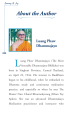
About the Author
322
Luang Phaw
Dhammajayo
uang Phaw Dhammajayo (The Most
Venerable Dhammajayo Bhikkhu) was
born in Singburi Province, Central Thailand,
on April 22, 1944. His interest
Luang Phaw Dhammajayo, born on April 22, 1944, in Singburi Province, Thailand, developed a passion for Buddhism from a young age. His Dhamma studies and meditation practice deepened significantly afte
325
เกี่ยวกับผู้เขียน
About the Author
Presently, Luang Phaw Dhammajayo is the
abbot of Wat Phra Dhammakaya and president
of the Dhammakaya Foundation, which has
many branches both in Thailand and abroad.
The foundation is
หลวงพ่อธรรมะชัยเป็นเจ้าอาวาสวัดพระธรรมกายและประธานมูลนิธิธรรมกายซึ่งมีบทบาทในการส่งเสริมสันติภาพ การฝึกสมาธิและการศึกษาในธรรมะ นอกจากนี้ยังดำเนินรายการ 'Inner Dreams Kindergarten Programme' ผ่านช่อง D
333
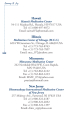
Dhammakaya Meditation Societies in the Middle East
Dhammakaya Meditation Societies Worldwide
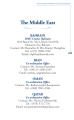
The Middle East
BAHRAIN
DMC Centre, Bahrain
1310 Road No. 5641, Block No.0356,
Manama City, Bahrain
Contact: Mr. Thanachai & Mrs. Peanjai Thongthae
Tel: +(973
Discover the Dhammakaya meditation community in the Middle East with centres in Bahrain, Iran, Oman, and Qatar. Each centre offers unique guidance and support for those interested in meditation practi
342
Journey to Joy Meditation Centers
Journey to Joy
342
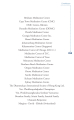
Hawaii
Hawaii Meditation Center
54-111 Maakua Rd., Hauula, HI 97617 USA
Tel: +(1)-808-497-4072
Email: [email protected]
Illinois
Meditation Center of Chicago (M.C.C.)
6224 W.Gunn
Discover the Journey to Joy through our meditation centers located in Hawaii, Illinois, Minnesota, and New Jersey. Each center offers unique resources and contact information for those seeking peace a
355
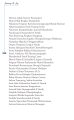
Global Meditation Centres
Brisbane Meditation Centre
Cape Town Meditation Centre (CMC)
DMC Centre, Bahrain
Dunedin Meditation Centre (DDMC)
Florida Meditaion Center
Georgia Meditation Center Inc.
Hawaii Meditation Center
Johan
This text lists various meditation centres located around the world from Brisbane to Cape Town, including significant contributors who support these centres. Each location offers unique practices and
366
Journey to Joy
Journey to Joy
Meewan-Lalida-Tanawat Puntasuporn
Munee-Pikul-Bongkot Mandachitra
Nakamura Nongwan-Kaewcharoenrungruang Sithisak-Sineenart
Nakornratchasima Youth Training Center
Naruemon Jintapatthanak
Journey to Joy is a touching collection of narratives from various families and individuals centered around the theme of joy. Each contribution provides a unique perspective and highlights the diverse
5
How To Meditate
How To Meditate
Sit upright with your right leg on your left leg. Place your right
hand on your left hand. Let your right index touch your left
thumb. You can sit with or without a cushion on the floo
Meditation involves sitting comfortably, either on the floor or with a cushion. Sit upright, placing your right leg over your left, resting your right hand on your left. Close your eyes gently and rel